The Eastern Visayas remains relatively under-the-radar compared to other tourist destinations in the Philippines, but this is slowly changing. More and more people troop here in pursuit of rugged coasts and landscapes, secret caves and waterfalls, and fascinating histories — as well as the company of people content with the simple life, happy to enjoy the bounty of nature.
BILIRAN
The province holds a multitude of photogenic waterfalls, whose features range from impressive drops to inviting swimming spots.
The Tomalistis Falls are most notable for its water’s peculiar sweet taste — the sweetest in the world according to the Guinness Book of World Records.
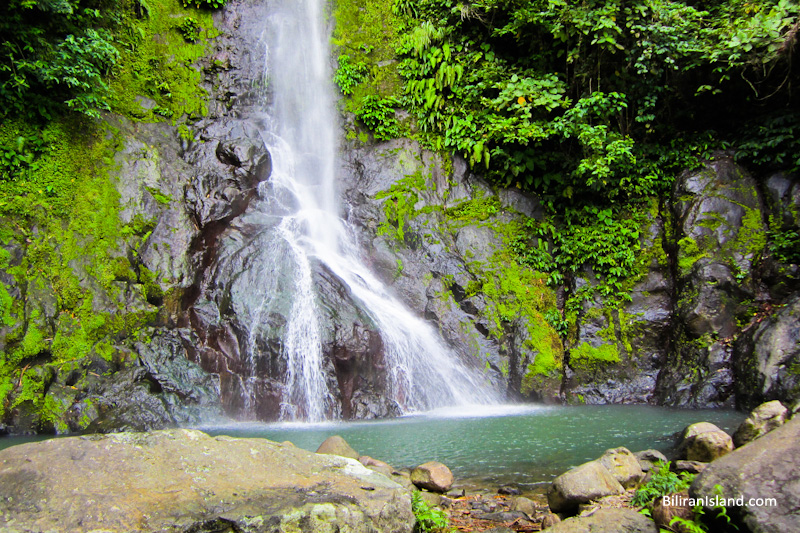
The Tinago Falls make for a good photo-op, steadily plummeting down to an enclave surrounded by verdant rocks.
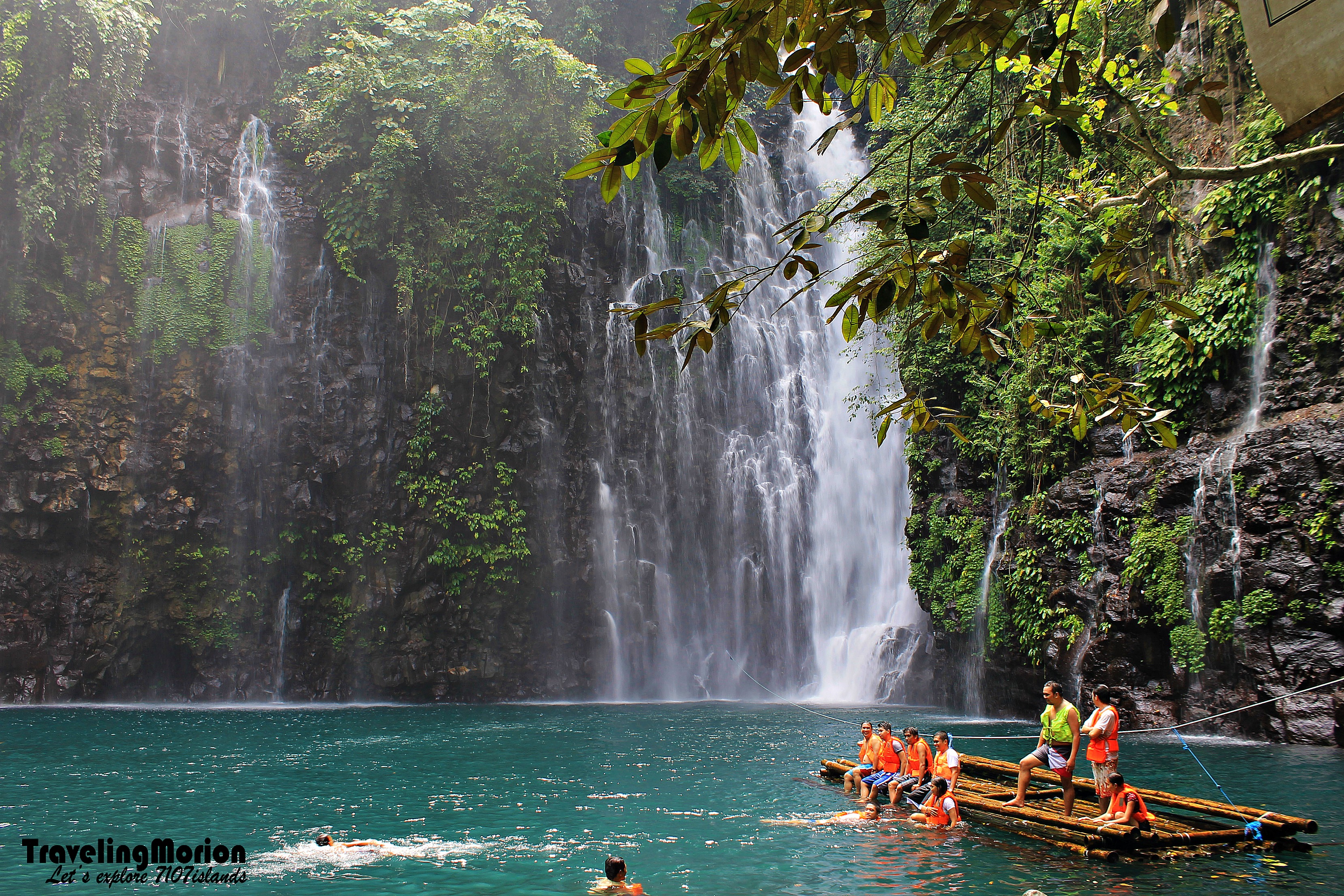
Get up-close to the majestic Ulan Ulan Falls (ulan is the Filipino word for rain) to hear and feel the thunderous sound of a heavy downpour.
Scouring Biliran’s secluded shores is another way to discover your personal pocket of paradise. The beaches here are pristine — all sun-kissed sand and cobalt waters. Best of all? No crowds.
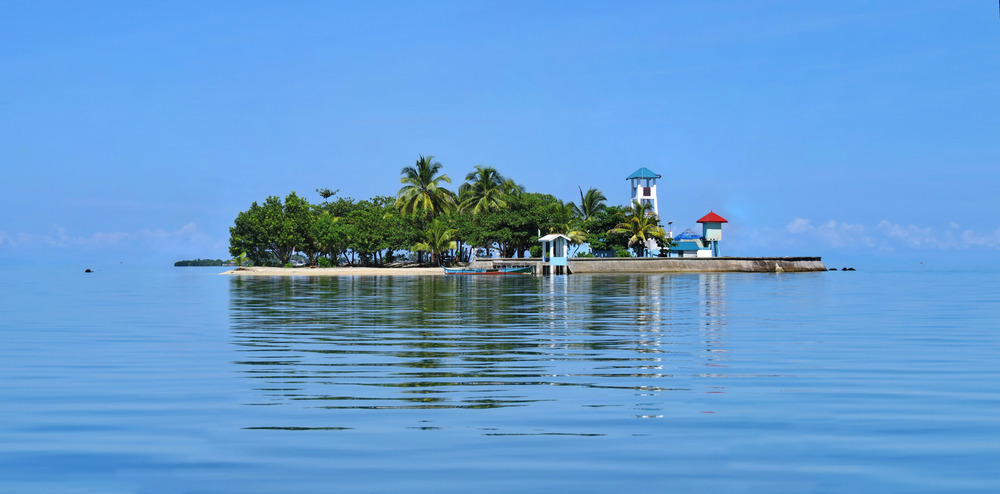
Take a boat to Sambawan Island and snorkel among its coral gardens, or tie up a hammock and nap on the thin strip ofDalutan Island.
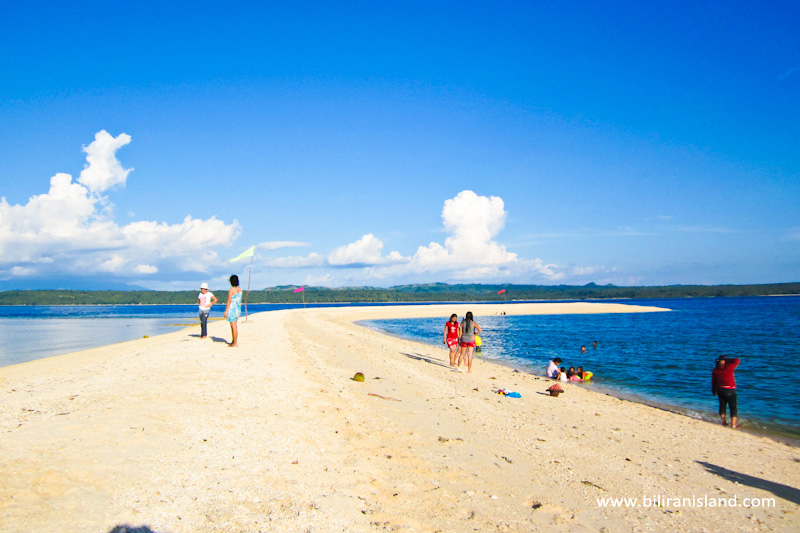
Higatangan Island’s shifting 200-meter sandbar stretches beautifully toward the sea, and its shores feature attractive natural rock formations and exotic seashells. Former Philippine president Ferdinand Marcos reportedly took refuge on this island during World War II, prompting its highest point to be named “Marcos Hill.”
The sprinkling of natural attractions throughout Biliran continues.Tingkasan Bat Cave is a good spelunking and spear-fishing site. Locals believe its distinctive rectangular entrance was created by Japanese forces during World War II.
The Mainit Hot Springs deliver flowing water in varying degrees of heat, good for soothing sore muscles. And if you can’t make it to the northern province of Ifugao, the Iyusan Rice Terraces make for a cool miniature alternative.
EASTERN SAMAR
It’s a very significant place as the entry point of two great figures in Philippine history—Portuguese explorer Ferdinand Magellan and American General Douglas MacArthur.
Find your own small tropical haven, whether it’s the creamy sands and azure waters of Suluan Island or the marine life sanctuary of Kantican Island, which also houses an experimental pearl farm.
Amandaraga is the name of Lawaan’s waterfalls which resembles a maiden’s hair. Favorite island hopping destinations are the twin islands of Ando and Divinuvo in Borongan City. For camping and trekking, explore the Borongan-Llorente Closed Canopy Forest.
The ultimate crowd-drawer, however, is the rising star that isCalicoan Island. Despite the allure of its inland lagoons and wild virgin forests, both locals and foreigners head here for one thing: surfing. The ABCD Beach, the shoreline of choice if you’re staying at The Surf Camp or the Calicoan Villas, offers waves suitable for both beginner or advanced surfers. The local surf season runs from April to November.
Eastern Samar is sprinkled with locations that have hosted some of the country’s most interesting historical events.
Homonhon Island was where Magellan first set foot on Philippine soil in 1521. Tubabao Island sheltered thousands of Russian refugees in the 1950s; the refugees were survivors of the Bolshevik Russian Revolution and Russian Civil War. And the modest town of Balangiga was the site of a noteworthy chapter in Philippine history — a powerful story involving resistance, revenge and church bells.
The province also hosts the Padul-ong Festival every September, an energetic and grand socio-cultural celebration filled with colourful parades and street dancing.
NORTHERN SAMAR
For starters, beaches are plentiful here. Stay at one of the local resorts to enjoy a stretch of sand to yourself and savor cold drinks and good conversation under the moonlight.
Pick from the honey-colored shores of Onay Beach in Laoang and or the sparkling white sands in San Antonio Island, Dalupiri Island, or Spice of Life.
For somewhere off the beaten path, explore the Naranjo group of islands such as Sila Island with its pinkish sand and Panganoron Island with white sand.
Located close to the National Highway is the municipality ofVictoria that serves as the jump-off point to San Antonio Island. The 280-meter steel bridge passing through Mawo River serves as its landmark. The coast here is lined with beautiful beaches have mountains as their back drop. Caves, springs, waterfalls and rivers are accessible too.
Allen is the municipality that connects Luzon to Northern Samar via the RORO (roll on – roll off) boats. In here you’ll find Felixville Resort, Wayang-Wayang Beach Resort, and Paradise Beach which are all budget-friendly and definitely good for big groups.
Capul Island also has its share of white beaches and snorkelling spots. It gets its name from Acapulco in Mexico, owing to its former life as a guidepost for galleons sailing trade routes between Acapulco and Manila.
.jpg?timestamp=1453988106277)
Go beyond the beach and explore the island’s historical structures, which date back to the late 1800s: the Capul Island Lighthouse, Capul Church and Fortress, and the Batag Island Lighthouse.
For bird watching, the Lalaguna Mangrove Forest in Lavezareshosts different migratory birds. It’s best if you ride a paddle boat here to get closer to nature.
It’s Biri Island, however, that really amps up Northern Samar’s wow factor. Forget food and drinks, what you absolutely shouldn’t forget to pack is your camera. Stunning rock formations — monstrous cliffs, boulders and crags naturally carved by the ocean waves and winds — make for views that will bring out the photographer in anyone.
 SAMAR
SAMAR
If you fanc y yourself an explorer, you’ll go giddy at the thought of Samar’s numerous cave systems. Among its most famous are the Sohoton Caves, a two-
hour trip from the town of Basey. This 840-hectare park features limestone walls, a natural rock bridge, underground rivers, lush forests and caves with stunning and expansive interiors. There’s also Langun-Gobingub Cave inCalbiga, one of the largest karst caves in Southeast Asia.
Swimming spots also abound. Your biggest problem will be picking where to go first. Lo-ok Beach in Calbayog City boast icy blue waters facing the Samar Sea and natural rock formations that present a more rugged beach-going experience.
Don’t forget to pick up a ticog mat for your seaside picnics; ticogis made with a local weed that, when woven, makes for smooth and supple mats, tote bags, and even home and office decors.
Take an exciting river ride in a dug-out boat without outriggers at the Ulot Watershed Ecotourism Loop in Paranas. Be thrilled as expert boatmen manoeuvre the torpedo boat between rocks up and downstream the Ulot River. And dare to plunge into the waters by leaping from a huge boulder.
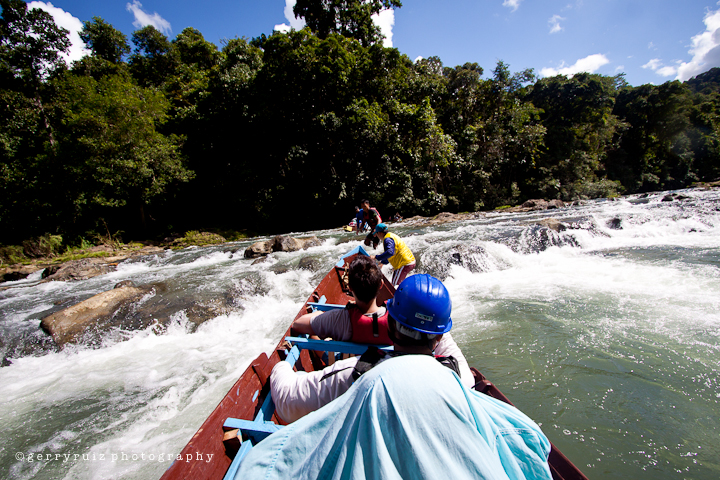
Those in the mood for something with more kick should check out Samar’s waterfalls. The Bangon-Bugtong Falls cascade elegantly into a large circular pool, while the fun Mawacat Slidelets you zoom down a mossy passageway into the waters below. The Lulugayan Falls and Rapids feature a strong and thundering current that feeds into the Calbiga River and makes for enjoyable white water rafting.
And while you’re here, make sure not to bypass the quiet town ofMarabut and Daram. Marabut rewards its visitors with islets fit for snorkelling and diving, as well as gargantuan rock islands that artfully jut out from the sea. Have a close encounter with colourful fishes and rare giant clams while snorkelling at Agutay Island in Daram.
LEYTE
Leyte is home to two of the most famous events in Philippine history. First, the Battle of Leyte Gulf, the largest naval battle of World War II. It took place from 23-26 October 1944 between combined US and Australian forces and the Imperial Japanese Navy.
Second, a promise that involves Gen. Douglas MacArthur and Red Beach in Palo – a site known more for its history than its shoreline. Allied Forces led by Gen. Douglas MacArthur returned here on 20 October 1944 to aid the Philippines against the Japanese invasion, fulfilling his oft-quoted promise, “I shall return.” That moment is commemorated by the Leyte Landing Memorial that stands at Red Beach today.
Apart from its historical sites, Leyte is also a good jump-off point to find some isolated isles that look straight out of the pages of a travel magazine. Kalanggaman Island in Palompon is thequintessential tropical island, where gradient blue waters lap peacefully at fine sugary sand.
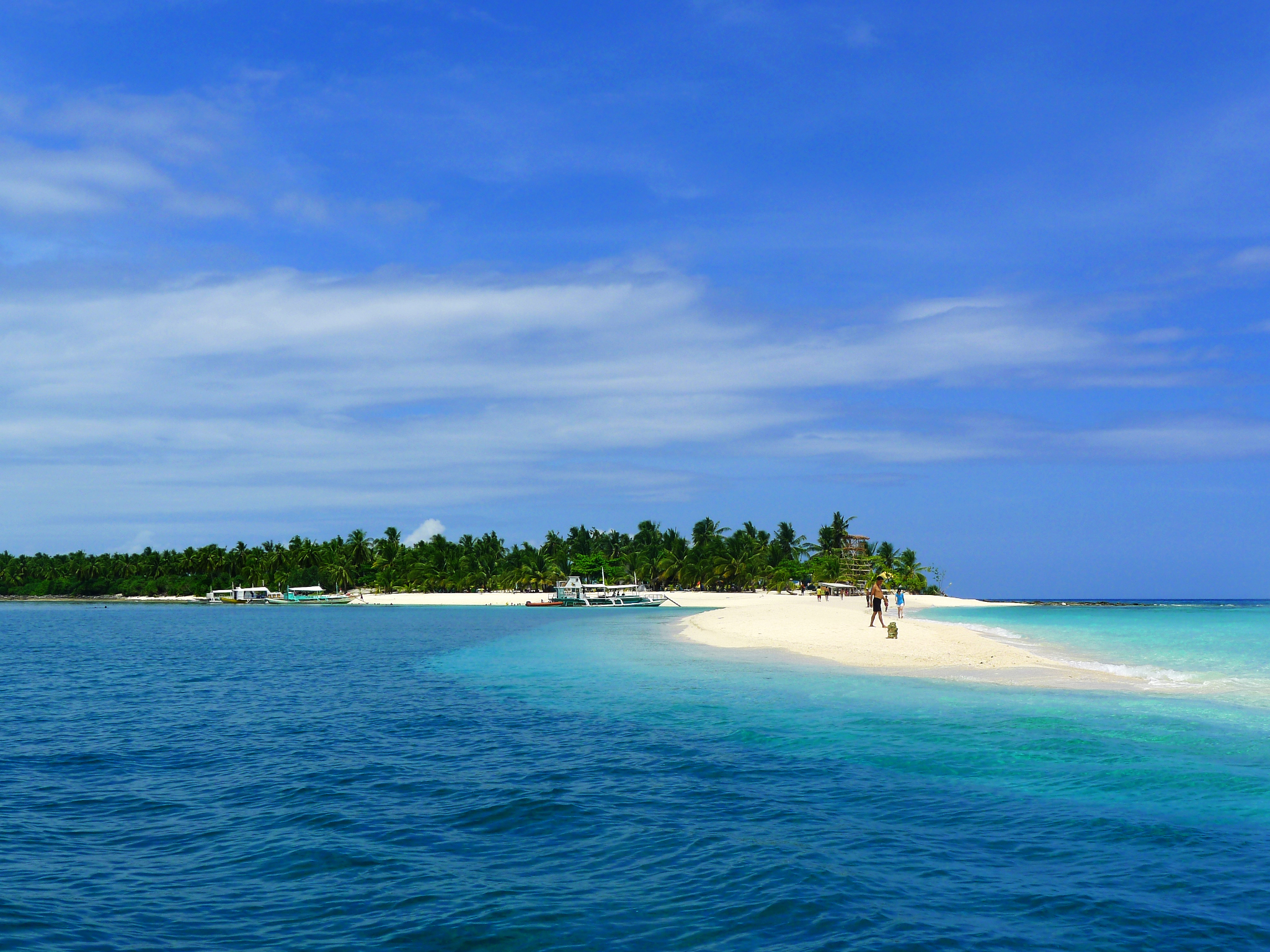
Cuatro Islas (“Four Islands”) in Inopacan and Hindang are another pretty bunch. Of these islands, Digyo is a standout: palm trees, clear waters, and barely any other tourists in sight. Snorkel in its shimmering waters to swim amongst corals and fish.
Another great place for swimming, snorkeling, kayaking—and yes, camping—can be found in Canigao Island off the municipality of Matalom. Its assets: beautiful white sand and crystal clear waters.
Prefer sports to solitude? Head to Tanauan, the birthplace of skimboarding in the Philippines and host to annual national skimboarding competitions.
The Mahagnao Volcano Natural Park may also pique your interest. Here you can trek and picnic surrounded by lush foliage, visit hot springs, take a boat ride across a lake, or trek to volcanic craters.
SOUTHERN LEYTE
Choose from the cool, clean waters of Canigao Island andTahusan Beach or head straight for the white sands of Tangkaan Beach.
Meander down the quaint pebble beaches of the San Pedro andSan Pablo Islands off the coast of Hinunangan.
Kuting Reef, in a private cove at Bay Asuncion in Macrohon, is another fine pebble beach that offers a simple tropical resort experience.
Dive deeper into the island experience. The waters of Panaon Island in Liloan are part of the Mindanao Deep — one of the deepest bodies of water in the world, second only to the Marianas Trench.
Sogod Bay is another option: it holds 350 of the world’s 500 coral species, several sunken wrecks worth exploring, and the promise of sea turtles, dolphins and whale sharks.
For landlocked fun, visit Magsuhot Park — a protected 500-hectare forest with four waterfalls that drop up to 60 meters.
If you prefer dry land, the Big Plain (Patag Daku) in Libagon poses a major challenge to trekkers and climbers, while the caves atCambaro and Guisohotan are equally exciting.
The Agas-Agas Adventure Park also offers one of the country’s highest zip lines at almost 300 meters above ground.
Meanwhile, the less adventurous can while away time at the beaches of San Pedro and San Pablo in Hinunangan and theSulphur Spring in Anahawan.
Those seeking more spiritual pursuits shouldn’t miss Limasawa Island, the site of the first Christian mass in the Philippines, held in 1521.
The Lady of the Assumption in Jalleca Hills is the country’s tallest private shrine, with a 30-foot Marian statue and an adjacent chapel some 300 steps up.
The San Francisco Javier Pilgrims Center in Hanginan is another chapel noteworthy for its location: 400 meters above sea level.
ORMOC
It is most famous for three things.
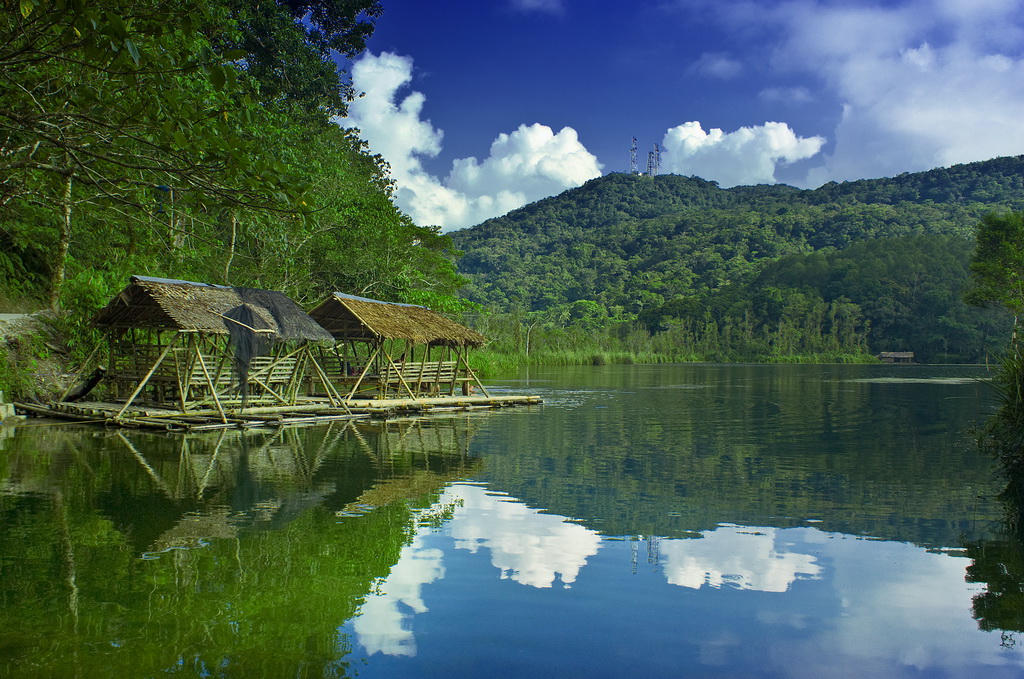
First is the guitar-shaped Lake Danao, a pristine 148-hectare inland lake surrounded by verdant mountains and invigorating cool air, just a 30-minute drive from the city. Enjoy a picnic andbanca (boat) ride or go biking and examine local flora and fauna, all the while soaking up the area’s hard-to-beat tranquillity.
The second is the Queen Pineapple, Ormoc’s most famous produce and a top pick for pasalubong (gifts for friends at home). Savor its unparalleled sweetness with juicy slices fresh from the pineapple plantations north of the city in Kananga.
Third is the Leyte Geothermal Production Field (LGPF) inTongonan, east of the city. It is the country’s biggest geothermal complex, supplying energy even to parts of Luzon and Mindanao.
In the city, some leisurely meandering uncovers little gems. The seaside Sabin Resort is Ormoc’s most favored accommodation, boasting Filipino décor, a large pool, and a panoramic view.
Hang out at local watering holes like the cozy café Bebida’s — or head to the public market and try native fare like pacdol (a clear broth with carabao knee meat) at Doro’s carinderia (eatery).
Spot the Philippine-Japanese Peace Memorial, a friendship token from Nagoya and Gifu after World War II.
Check out the Puente De La Reina, a cobblestone bridge built in the 1800s that was used as a docking area for traders from around Asia; and the Sen. Dominador Tan Ruins, once one of the city’s most extravagant houses before World War II.
You can also tee off at the 18-hole Leyte Golf and Country Clubfor games against a backdrop of rolling terrain and the Ormoc Bay.
TACLOBAN
Though it hosts a number of festivals, Tacloban’s biggest are thePintados-Kasadyaan Festival and the Sangyaw Festival, both in June. These vibrant affairs celebrate the city’s cultural and religious traditions and showcase local talent, creativity and fun. The line-up of activities includes parades, street dancing and contests.
Food-tripping is also a growing leisure activity here, given the number of restaurants and mouth-watering fare begging to be sampled. Guiseppe’s serves traditional Italian cuisine such as homemade pasta and crispy, thin-crust pizzas.
Ocho Seafood & Grill is arguably the city’s best seafood restaurant, where you can have everything from tuna belly to crab cooked to your liking. Their baked mussels, adobo oysters and fried fish skin go great with ice-cold local beer.
Between bites, go for a sampling of Tacloban’s other attractions.
Tee off at the San Juanico Park Golf and Country Club. It’s an 18-hole golf course with a beautiful clubhouse, an impressive swimming pool, hotel, and other amenities.
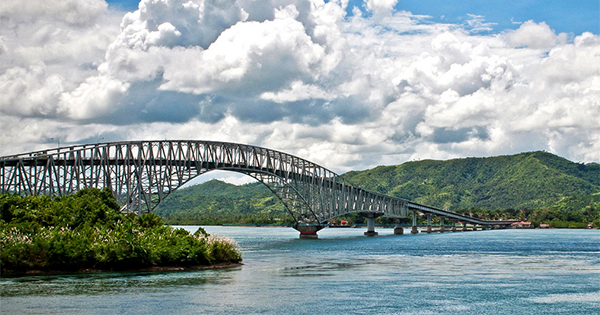
On its outskirts lies the winding San Juanico Bridge, the longest bridge in the Philippines, snaking over two kilometers to connect the islands of Leyte and Samar.
The ostentatious Santo Niño Shrine and Heritage Museum, built by former First Lady Imelda Marcos, has more than a dozen rooms full of treasures such as European chandeliers, Chinese ivory carvings and classical Filipino paintings.
Nestled in a park, the Madonna of Japan is a post-World War II token friendship from Japan that depicts an unusual Buddhist-syle Virgin Mary.
The stately Leyte Provincial Capital Building, built in 1924, boasts a striking neoclassical design. And though not quite as well-kept, Gen. Douglas MacArthur’s former headquarters and residence, the Price Mansion, still remains in the city.
